A learning map
Techniques are grouped into progressive requirements so students know what to practise. Movement, breakfalls, strikes, throws, locks, escapes and groundwork develop together rather than as unrelated tricks.
A Ju-Jitsu belt should represent real development—not simply time served. Total Self Defence uses structured syllabus training and formal gradings to make progress visible while maintaining standards of technique, control and responsibility.
More than a belt colour
The syllabus gives students an organised route through a large martial art. Each stage revisits core principles while adding new decisions, combinations and levels of control. A grading is an opportunity to demonstrate that learning under focused conditions.
Techniques are grouped into progressive requirements so students know what to practise. Movement, breakfalls, strikes, throws, locks, escapes and groundwork develop together rather than as unrelated tricks.
Attendance alone does not guarantee promotion. Instructors look for understanding, reliable execution, safe control and the ability to respond calmly when a technique needs adjustment.
Students demonstrate the required syllabus with suitable partners. Higher grades are expected to show stronger timing, precision, continuity and judgement as well as a wider range of techniques.
Selected from the official Total Self Defence YouTube channel
 A complete syllabus demonstrationAll Blue-Belt Grading TechniquesWatch a Total Self Defence demonstration of the techniques required for a Japanese Ju-Jitsu blue-belt grading.Watch on YouTube
A long-term martial-arts journey
Exact requirements are set by the current Total Self Defence syllabus and differ between junior and senior students. These nine belt stages describe the broad purpose of progression without promising a fixed grading timetable.
White belt represents the beginning of the learning journey. Students focus on dojo safety, posture, balance, movement, breakfalls and cooperative partner work. The aim is to build calm, controlled habits rather than rush towards complicated techniques. These introductory skills provide the essential foundation for every later stage of training and grading.
Red belt marks the first visible stage of structured progress and is the starting grade for TSD junior beginners. Students develop safe breakfalls, simple releases, controlled responses and partner awareness. Good posture, careful distance and respect for instructions matter as much as memory, helping confidence grow alongside patience and discipline.
Yellow belt reflects growing familiarity with the basic language of Ju-Jitsu. Students recognise common attacks and connect footwork with balance, releases, strikes, throws or controls. Breakfalls become more natural, while accuracy matters more than speed. Calm communication and accepting corrections positively prepare students for a broader technical syllabus.
Orange belt asks students to make their foundations reliable across more situations. Training develops clearer off-balancing, improved control and smoother transitions between standing and ground positions. Posture, timing and direction should replace unnecessary force. For juniors, full orange belt may also lead towards the Junior Black Belt Club.
Green belt develops a broader technical range and shows how Ju-Jitsu principles connect. Students recognise distance, disrupt balance and choose responses suited to the position. Throws, controls, escapes and groundwork should display increasing coordination. Thoughtful repetition and restraint prepare students for more demanding combinations and decisions.
Blue belt emphasises continuity, connecting techniques into controlled sequences rather than isolated demonstrations. Students refine entries, timing, balance and positioning against a wider variety of attacks. Standing work and groundwork should support one another through safe transitions. Greater knowledge also brings greater responsibility for proportionate, focused practice.
Purple belt represents adaptable practice. Students recognise changing positions, adjust their movement and preserve control when the first response must change. Technique should show stronger timing, cleaner direction and less unnecessary effort. Demanding combinations develop composure, judgement and consistent technical quality rather than reliance on isolated speed or strength.
Brown belt is an advanced preparation stage where knowledge becomes dependable, controlled and organised. Students refine the complete syllabus, address weaker areas and link techniques with purpose. Accurate balance, timing and finishing control are expected. Attendance, attitude, partner care and support for less experienced students also demonstrate readiness.
Black belt recognises a substantial foundation, not the end of Ju-Jitsu study. It represents dependable knowledge, controlled application, sound judgement and continued improvement. Senior students explore familiar principles in greater depth and accept responsibility for the standards they demonstrate. Further progress requires patience, contribution, service and mature understanding.
Syllabus practice on the mat
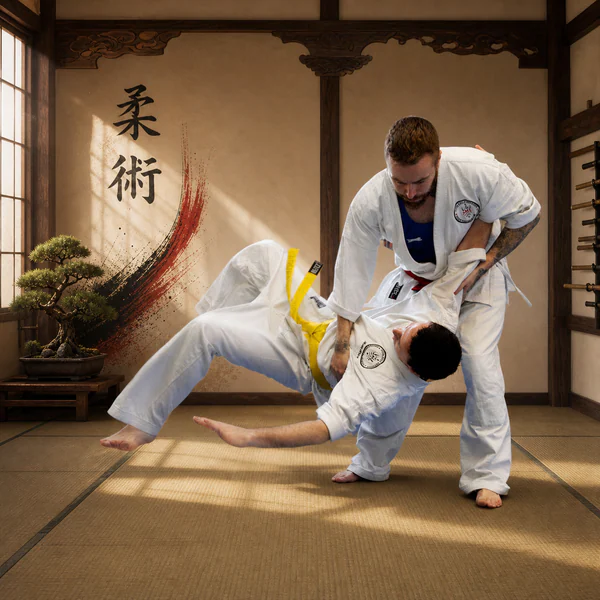
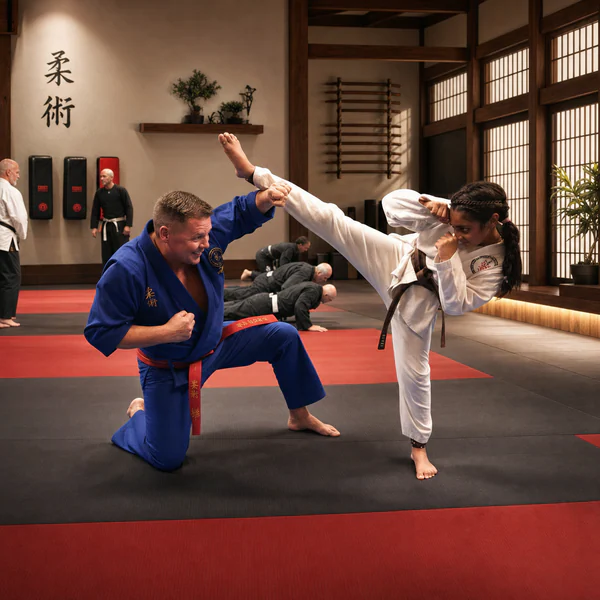
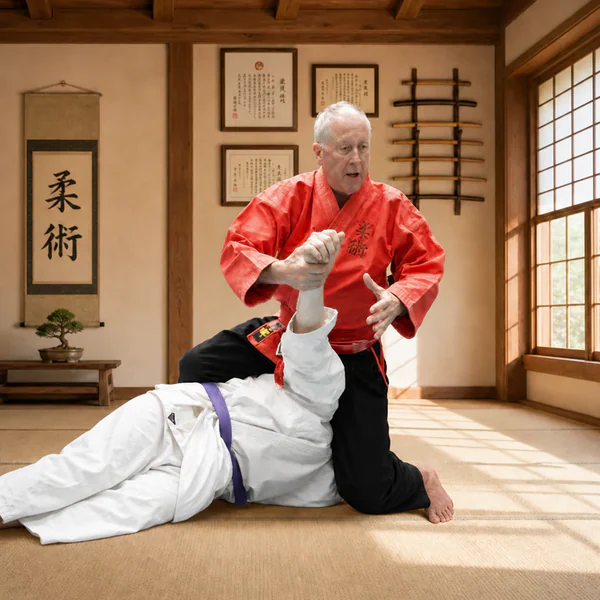
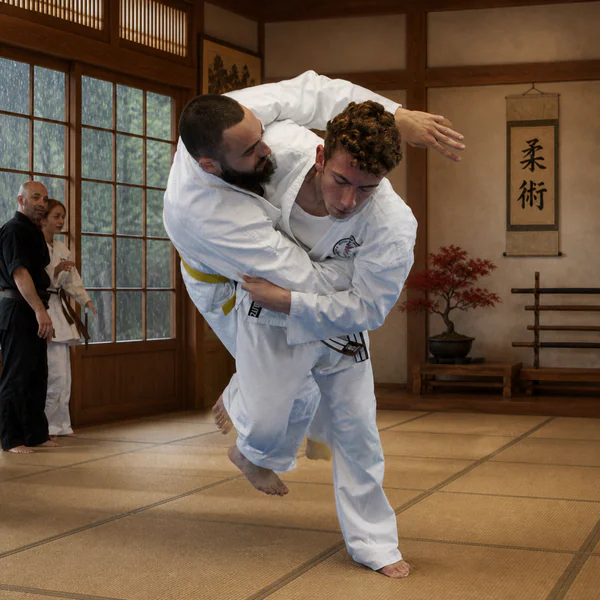
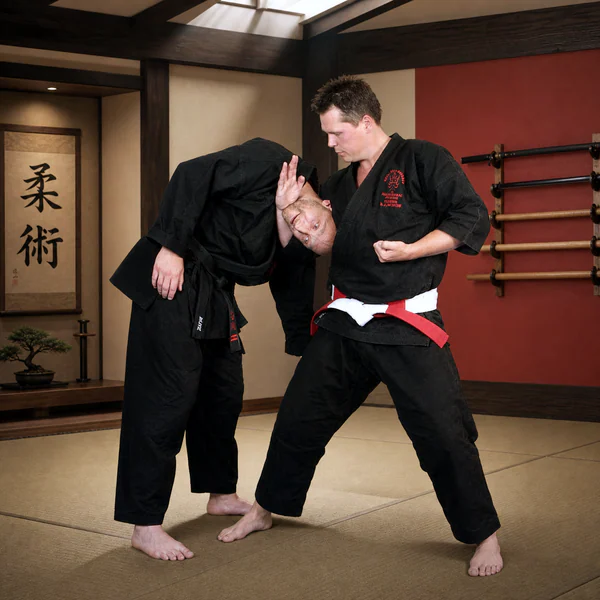
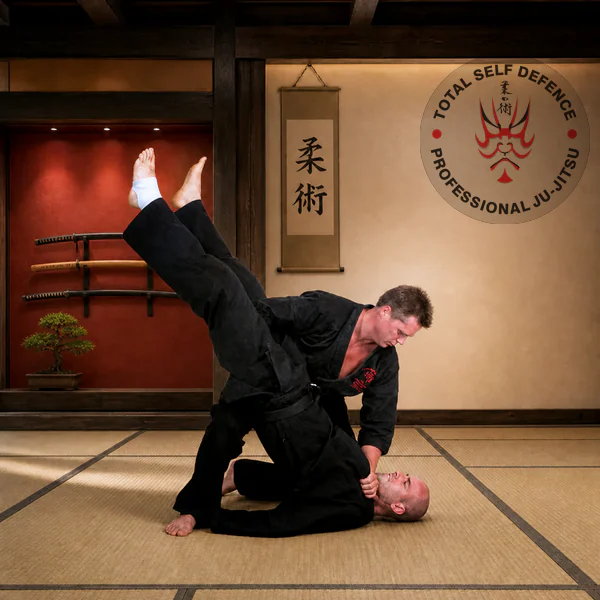
Six square photographs showing students and instructors developing the controlled throws, locks and transitions that support long-term belt progression.
Technique with responsibility
Promotion recognises more than memorising a list. Good Ju-Jitsu combines knowledge with control, awareness and an understanding of when physical action is—and is not—appropriate.
Knowledge beyond technique: by green belt, students are introduced to basic anatomy and resuscitation knowledge. TSD instructors also maintain first-aid training, while the club’s NVQ-qualified coaching and martial-arts standards support professional instruction.
Clear answers before you train
There is no responsible fixed promise. Readiness depends on attendance, technical understanding, safe control, age and the requirements of the current syllabus. Your instructor will tell you when preparation should begin.
A grading can assess knowledge of the required techniques, balance, movement, breakfalls, accuracy, control, awareness and the ability to continue working calmly. Expectations become more demanding as students progress.
No. Training and progression are adapted for age and maturity. Junior beginners have their own pathway, while adult students follow the senior syllabus. Instructors explain the current requirements for each group.
Total Self Defence teaches Ju-Jitsu primarily as a martial art and practical self-defence system. Progress is assessed through the club syllabus and grading standards rather than requiring students to win competitions.
Previous experience is respected, but styles and syllabus requirements differ. An instructor will assess your background and explain where you should begin within the Total Self Defence system.
No. Black belt represents a substantial foundation and a responsibility to keep learning. Higher grades require deeper understanding, better judgement and continued contribution to the club.
Begin your own progression