Start practical Japanese Ju-Jitsu in a friendly, structured class across North London and Hertfordshire. No previous martial-arts experience is needed: the first goal is to help you move safely, understand the basics and enjoy learning.
A calm first step
START WITHOUT PRESSURE
Walking into a dojo for the first time can feel unfamiliar, but nobody expects a beginner to arrive knowing how to fall, throw or escape. Total Self Defence instructors introduce skills in manageable stages and explain how to practise with a partner responsibly.
Your first class
Learn the room
Your instructor will introduce the training area, explain basic etiquette and place you with a suitable partner. A lesson normally develops from movement and preparation into clearly demonstrated techniques practised at a controlled pace.
What to bring
Keep it simple
Ask when booking whether to wear sports clothing or bring a gi. Choose clean clothing without hard fasteners, remove jewellery, keep nails short and bring water. The instructor will explain any equipment needed later.
What you learn
Build foundations
Early training focuses on posture, balance, safe breakfalls, movement, distance and controlled partner work. These foundations support later study of strikes, throws, joint controls, escapes and ground defence.
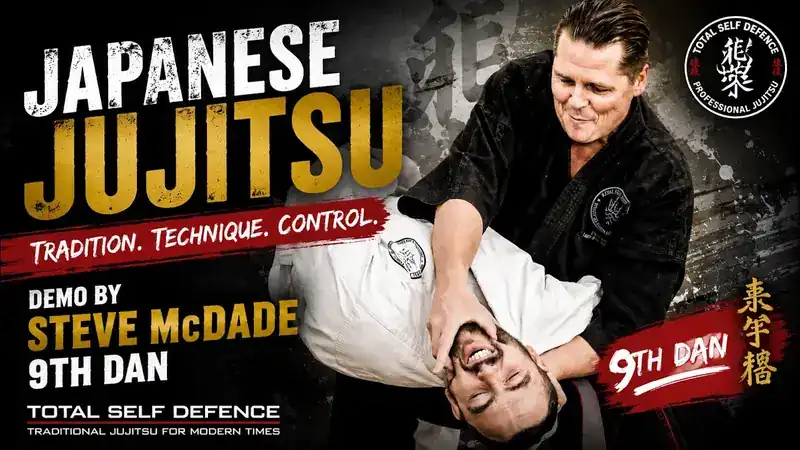
Selected from the official Total Self Defence YouTube channel
You do not have to become fit before joining. Ju-Jitsu gives movement a purpose: footwork improves balance, breakfalls develop body awareness, repeated drills build stamina and technical problem-solving keeps the mind engaged.
Traditional Japanese Ju-Jitsu uses timing, positioning and leverage so students learn to solve problems rather than simply overpower a partner. Good practice is cooperative without becoming careless: both people have responsibility for control, communication and safety.
Work at a pace appropriate to your experience
Ask when a movement or instruction is unclear
Stop and tell the instructor if something feels unsafe
Inside a Total Self Defence class
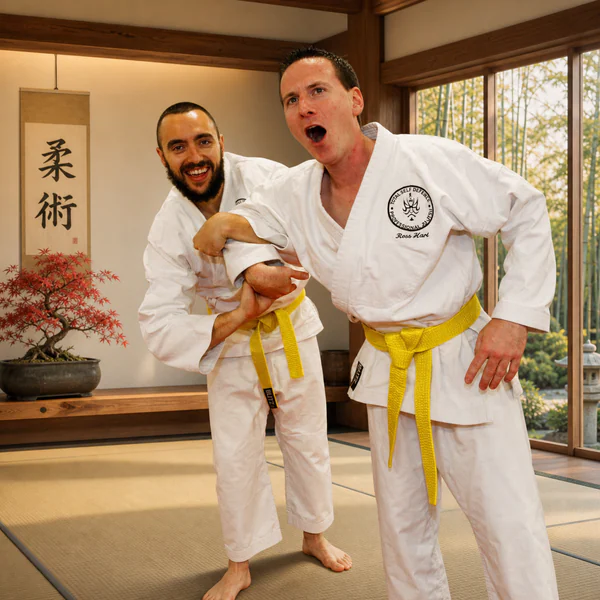
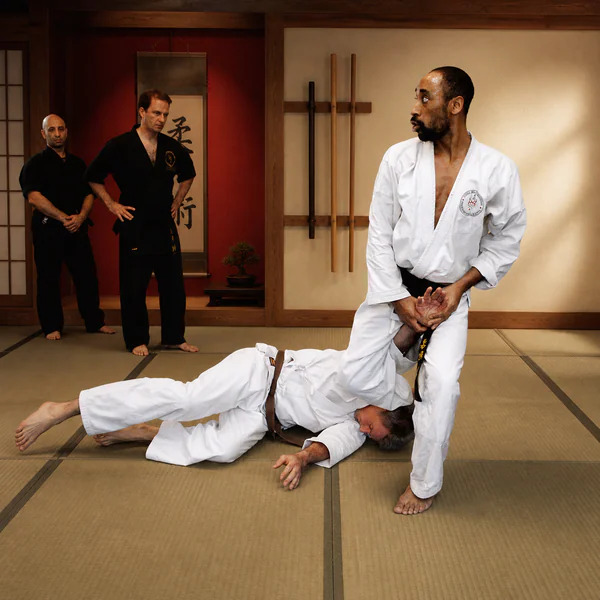
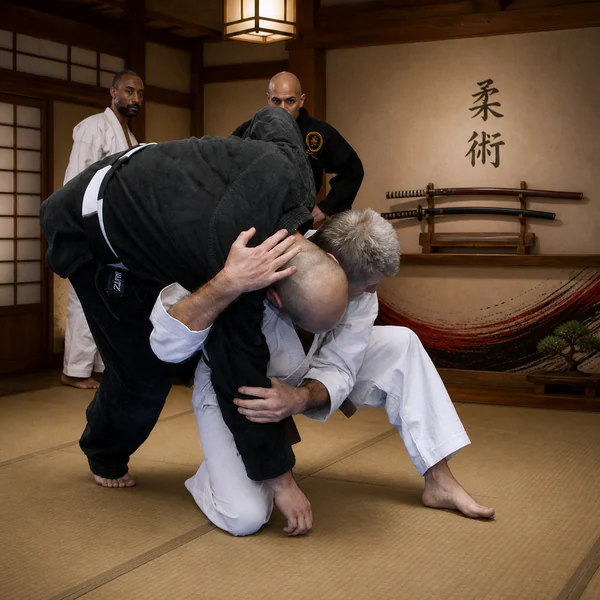
BEGINNER TRAINING IN PICTURES
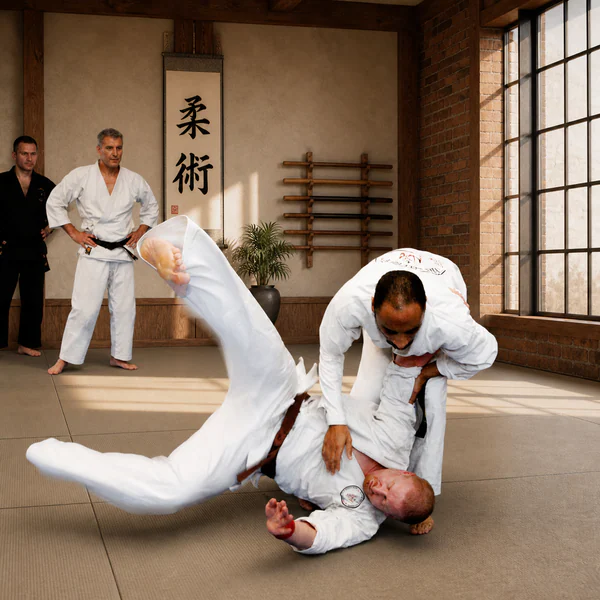
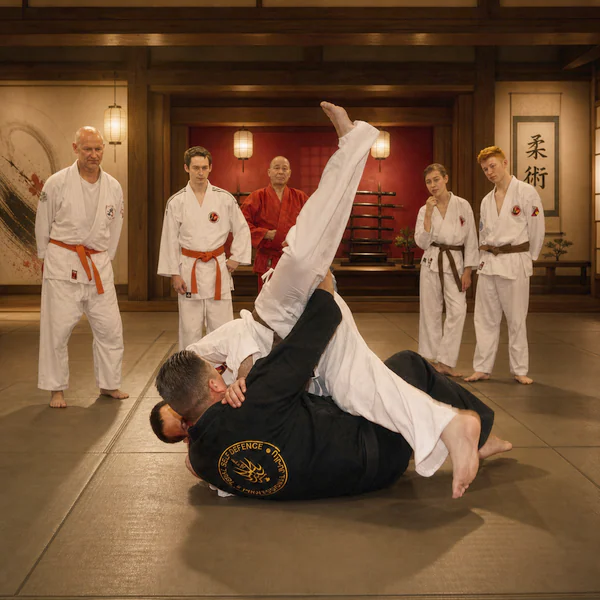
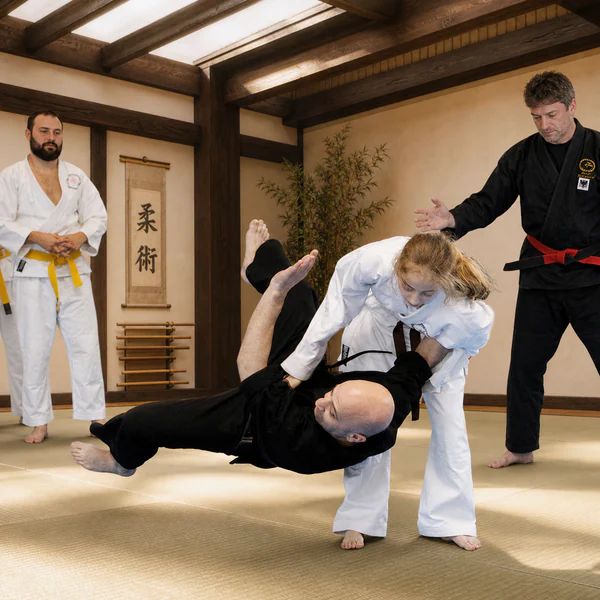
Six examples of the standing, throwing and ground-based practice that beginners can work towards. Select any square thumbnail to open the full image.
Progress is individual, but the pathway is clear. Regular practice matters more than trying to learn everything quickly.
Stage
Orientation
Meet the instructor, learn essential safety principles and become comfortable working with a partner.
Stage
Foundations
Develop posture, movement, breakfalls and a small vocabulary of controlled defensive techniques.
Stage
Connection
Link standing and ground skills, recognise common attacks and understand why each response works.
Stage
Progression
Prepare for grading when your instructor believes your technique, control and understanding are ready.
Clear answers before you train
COMMON QUESTIONS
Can I start Ju-Jitsu with no martial-arts experience?
Yes. Complete beginners are welcome. Teaching begins with safe movement, balance, breakfalls, posture and simple partner drills before progressing to more demanding throws, locks or ground techniques.
Do I need to be fit before my first class?
No. You do not need to get fit before starting. Training can improve mobility, coordination and stamina over time, and exercises can be adjusted to your current experience and ability.
What should I wear to a beginner Ju-Jitsu class?
Contact the club before attending so the instructor can confirm what to wear. Comfortable sports clothing without zips or jewellery is normally the practical starting point until you are advised about a Ju-Jitsu uniform.
Are beginner classes suitable for women and older adults?
Yes. Ju-Jitsu relies on movement, timing and leverage rather than strength alone. Adults of different ages and body types can learn progressively, with partners and exercises selected sensibly.
Where can beginners train with Total Self Defence?
Classes are available at Total Self Defence venues in Muswell Hill, Arkley, Arlesey and Hitchin. Check the locations and times page before travelling because timetables and suitable age groups can change.
Can I try Ju-Jitsu before joining?
Yes. Total Self Defence offers one week of training free. Contact the club first so an instructor can recommend the right class and explain what to bring.